Field notes
Permit intelligence, market signals, and playbooks from the nightly sweep. Issued when the field teaches us something worth drawing up.
 FIG. 41
Sub-1.0 by design: the rooftop table's No Requirement cells
Every No Requirement cell in the 2025 Energy Code's rooftop-replacement table maps to a benefit-cost ratio under 1.0 or none. It never mandates a heat pump.
Open note → FIG. 42
The ground did not burn: the reports a rebuild owes before anyone frames it
Two building departments cover the two January 2025 burn areas, and they decide which lots get investigated by two different methods, one a map and one a depth.
Open note →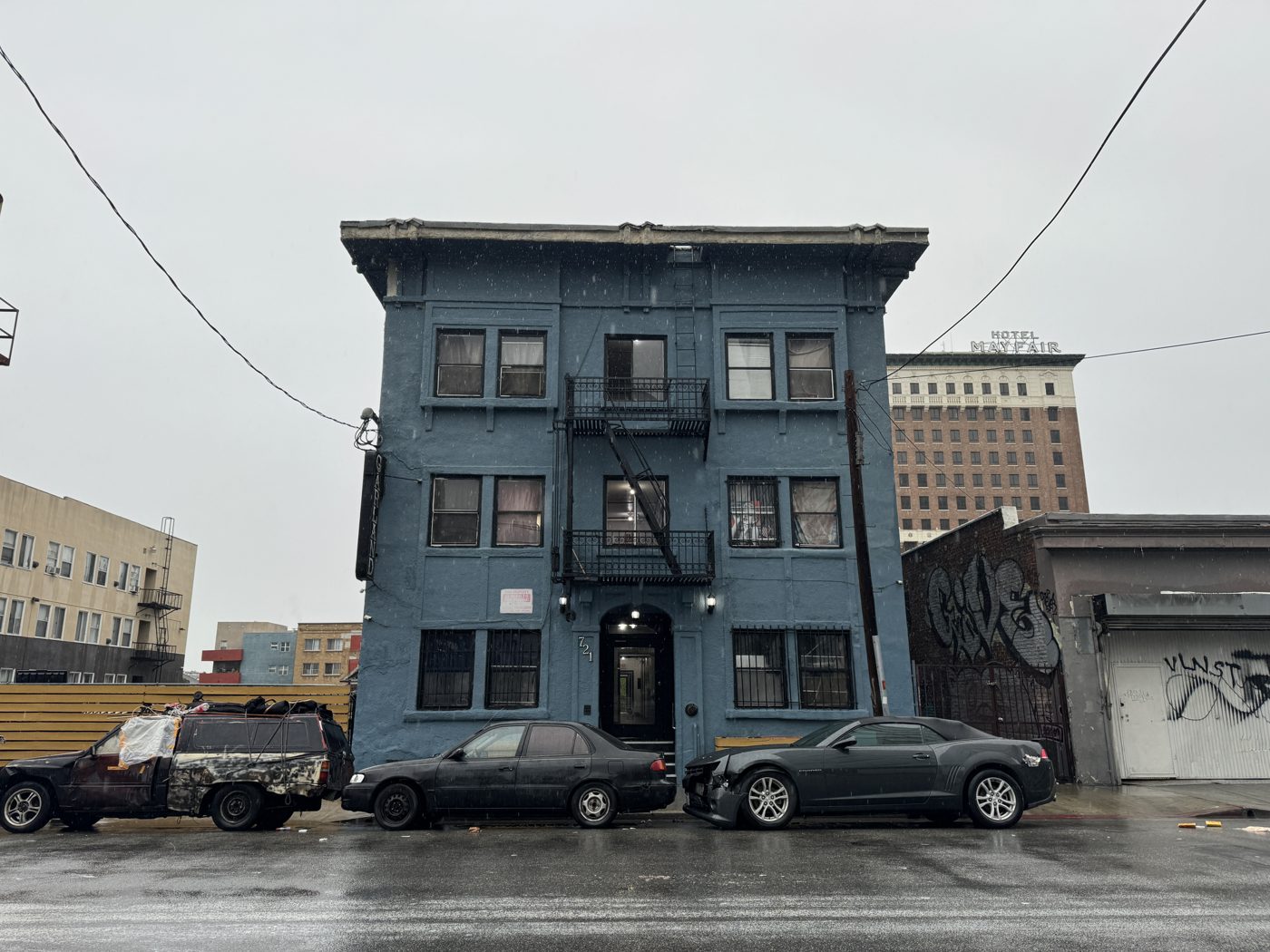 FIG. 43
The Soft-Story Clock Ran Out. The Buildings Are Still There.
Los Angeles began mailing its final wave of soft-story retrofit orders in November 2017. The seven-year completion deadlines began expiring in May 2023, and the last tranche's earliest deadline passed in November 2024. What is left on the inventory is past-deadline stock, counted by a city whose own completion figure is disputed.
Open note → FIG. 44
Visibly Clean: What the Fire Debris Removal Certified, and What It Left in the Ground
The Corps removed 2.5 million tons from nearly 10,000 lots and closed the mission in September 2025. The standard at the end was a visual one, checked by eye, with no soil test required. Federal lead sampling in Eaton came back clean in May 2026, at the federal threshold. The stricter state question is what the rebuild inherits.
Open note → FIG. 45
The Demolition Permit Does Not Predict the Rebuild. It Arrives With It.
The trade story gives a teardown a year of runway before the new building shows. In the permit record, where a follow-on is visible at all, it files with the demo. The lead time lives in the clocks that run before the first swing.
Open note →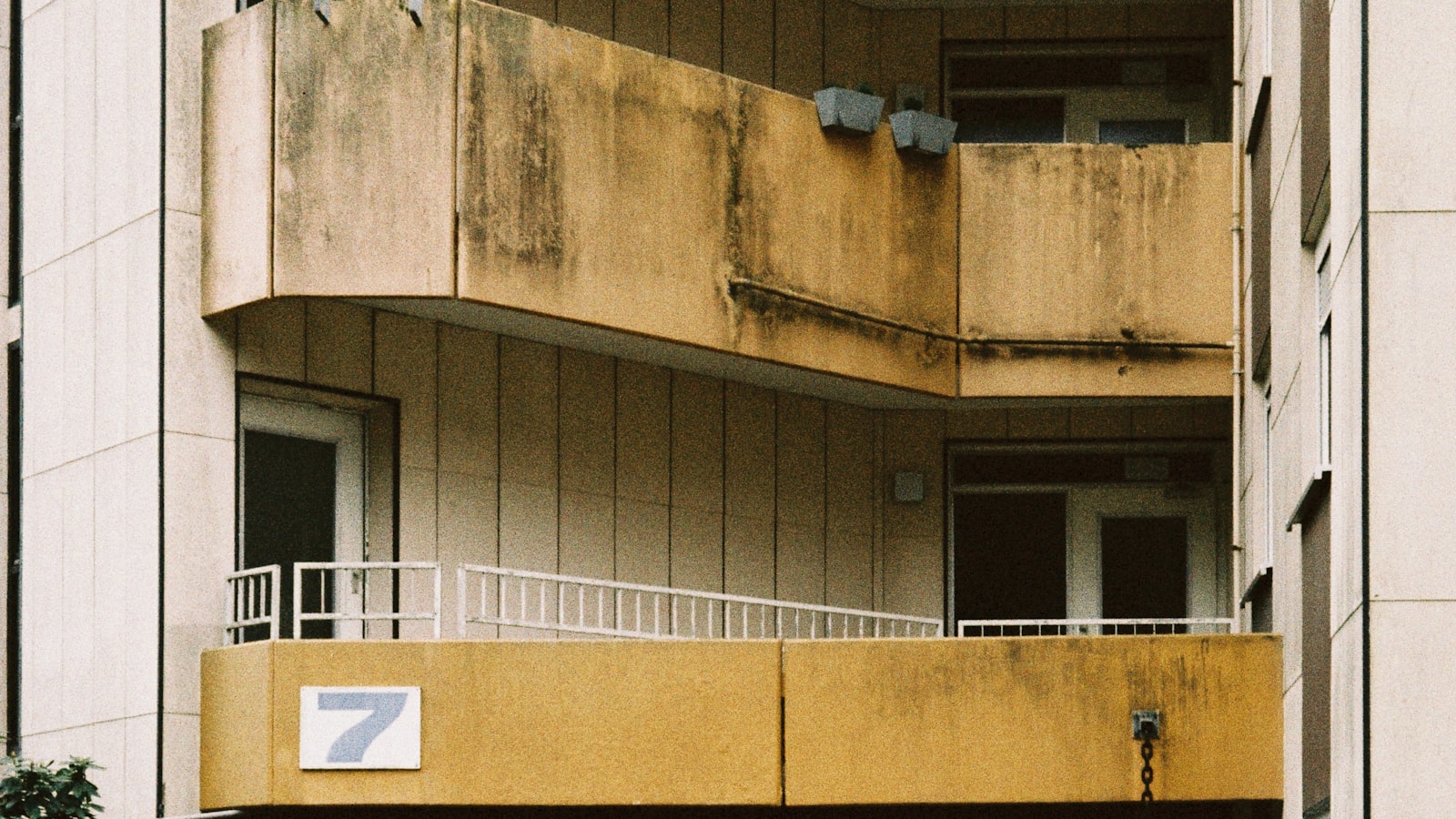 FIG. 46
Wet wood behind a membrane: the balcony deadlines came due
Wood framing enclosed under a walking surface fails from the inside, at a joint, years before the deck underfoot gives any sign of it. California answered that with two statutes and two inspection deadlines, and both have now passed: condominium projects since January 1, 2025, apartment buildings since January 1, 2026.
Open note → FIG. 47
One year defined, three to five conceded: MWELO and the establishment period nobody has to watch
California's landscape water ordinance defines the establishment period as one year, or two where irrigation is terminated, then concedes in the same definition that trees may need three to five. The last dated act in the file is a local agency approving the completion package, and everything after that belongs to whoever signed and left.
Open note →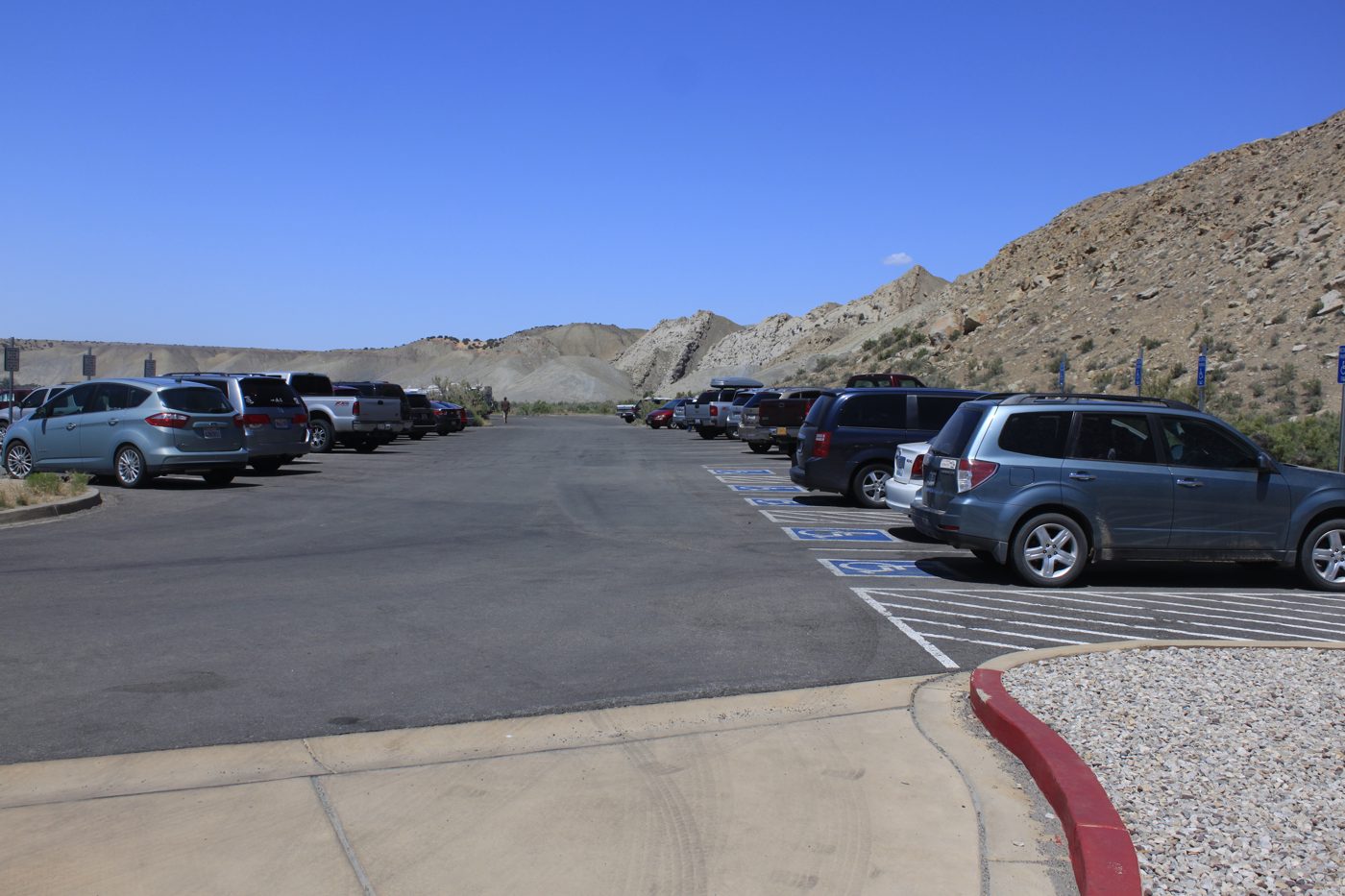 FIG. 48
Where a parking lot resurfacing legally stops
California wrote an exception that keeps a resurfacing job inside the parking lot instead of dragging the building in with it. The lot itself is still bound, and the part that binds hardest is the slope.
Open note → FIG. 49
Aluminum at the floor line: the mullion that stops and the mullion that runs past
From the sidewalk a storefront and a curtain wall differ by half an inch of aluminum at the sightline, while behind the glass one framing member stops at the floor and the other runs past it. The system type is decided at design, and the permit need not name it, because in San Diego the whole exterior envelope can be deferred, and a deferred submittal cannot be filed until after the permit issues.
Open note → FIG. 50
Sized by the storefront, read from the road: what a new tenant's sign permit does not tell him
Two Southern California jurisdictions a short drive apart will allow the same tenant four times as much sign, and neither formula has anything to do with whether a driver can read it.
Open note → FIG. 51
"Change of use": the sprinkler triggers in other trades' permits
The permit that starts the work says change of use, or new racking, or a Type I hood. It doesn't say fire protection anywhere, and the line it crosses is sitting in a code book the applicant never opened.
Open note → FIG. 52
Built-up roofing, off in phases: what a reroof permit line commits
A built-up roof at 3210 Merryfield Row is coming off in phases, and the permit that records it carries 536 characters of scope text naming a phase, a material and an act. The code takes that same box as a percentage, a rolling clock, a fire zone, a climate zone and a license split, and the applicant who typed it committed to all five months before the deck was open.
Open note → FIG. 53
The 20 percent restroom rule inverts at the $209,208 threshold
California's 20 percent path-of-travel rule is a ceiling below the $209,208 valuation threshold and, for most buildings, a floor above it. Restroom sits third.
Open note →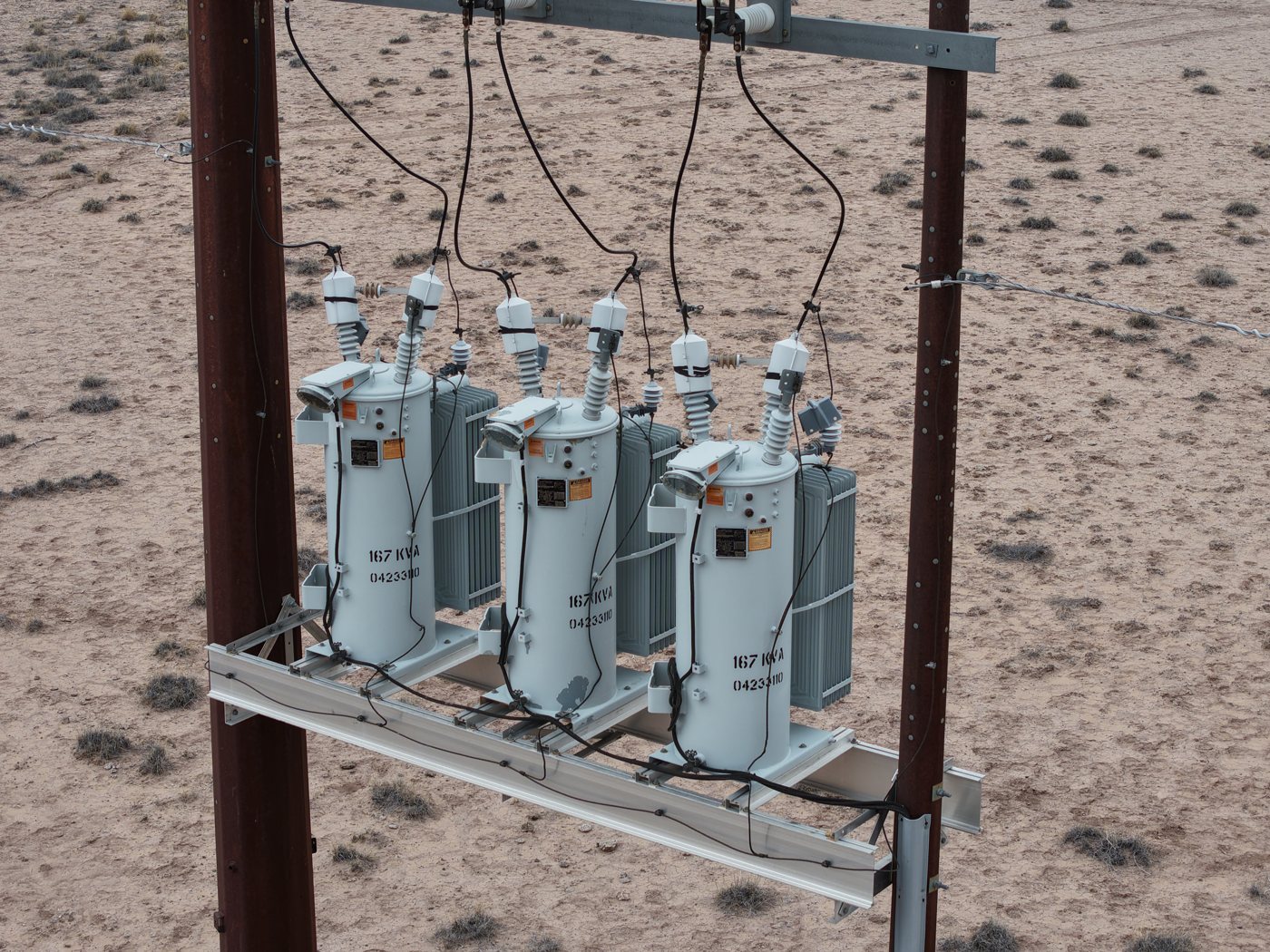 FIG. 54
563 calendar days on SCE's own numbers: who really sequences a service upgrade
SCE told the CPUC that its completed EV infrastructure projects averaged 563 calendar days end to end, and that the number got worse by 40 calendar days. The queue is the easy explanation and the filed split doesn't support it. Under the 2025 CALGreen cycle, a service upgrade riding with parking facility work also pulls EV scope into the job.
Open note → FIG. 55
70 percent of the minimum: California's hood-exhaust cap
California's 2022 Energy Code caps Type I hood exhaust at exactly 0.70 of the 2022 Mechanical Code minimum in 16 of 17 cells. The conflict is conditional.
Open note → FIG. 56
Zero lead lines, 214,014 unknowns: EPA's rule in SoCal
California reports zero lead service lines out of 9,995,886. EPA's Lead and Copper Rule Improvements still lands in SoCal, as 214,014 unknowns to identify.
Open note → FIG. 57
Chapter 7A was deleted: the ember tests a rebuild is specified against now
California pulled its wildfire construction requirements out of the building code entirely and gave them their own code, effective January 1, 2026, and the substance is a stack of layers where each one is rated by a named test that simulates a particular way fire arrives.
Open note → FIG. 58
The warehouse came sprinklered: what changes at 12 feet
A spec shell leases with a sprinkler system designed against no commodity in particular. Then the racking goes up, the top of storage clears 12 feet, and California Fire Code Chapter 32 starts asking for a package the ceiling was never built to deliver.
Open note → FIG. 59
A million alerts and 161 false flags: California's plate-reader year
Oakland's cameras threw more than 620,000 stolen-plate alerts in a year, and the department left that alert class switched off for lack of staffing. In Los Angeles, an Inspector General audit counted 161 alerts on cars that were not stolen.
Open note → FIG. 60
The file expired quietly: twelve years of Los Angeles failing to rewrite its own sign code
A sign painter reads Council File 11-1705, which opened in 2011, produced five drafts, was disapproved by the city's own planning commission, and then died of old age in May 2023 without anyone ever voting it down.
Open note →