Field notes
Permit intelligence, market signals, and playbooks from the nightly sweep. Issued when the field teaches us something worth drawing up.
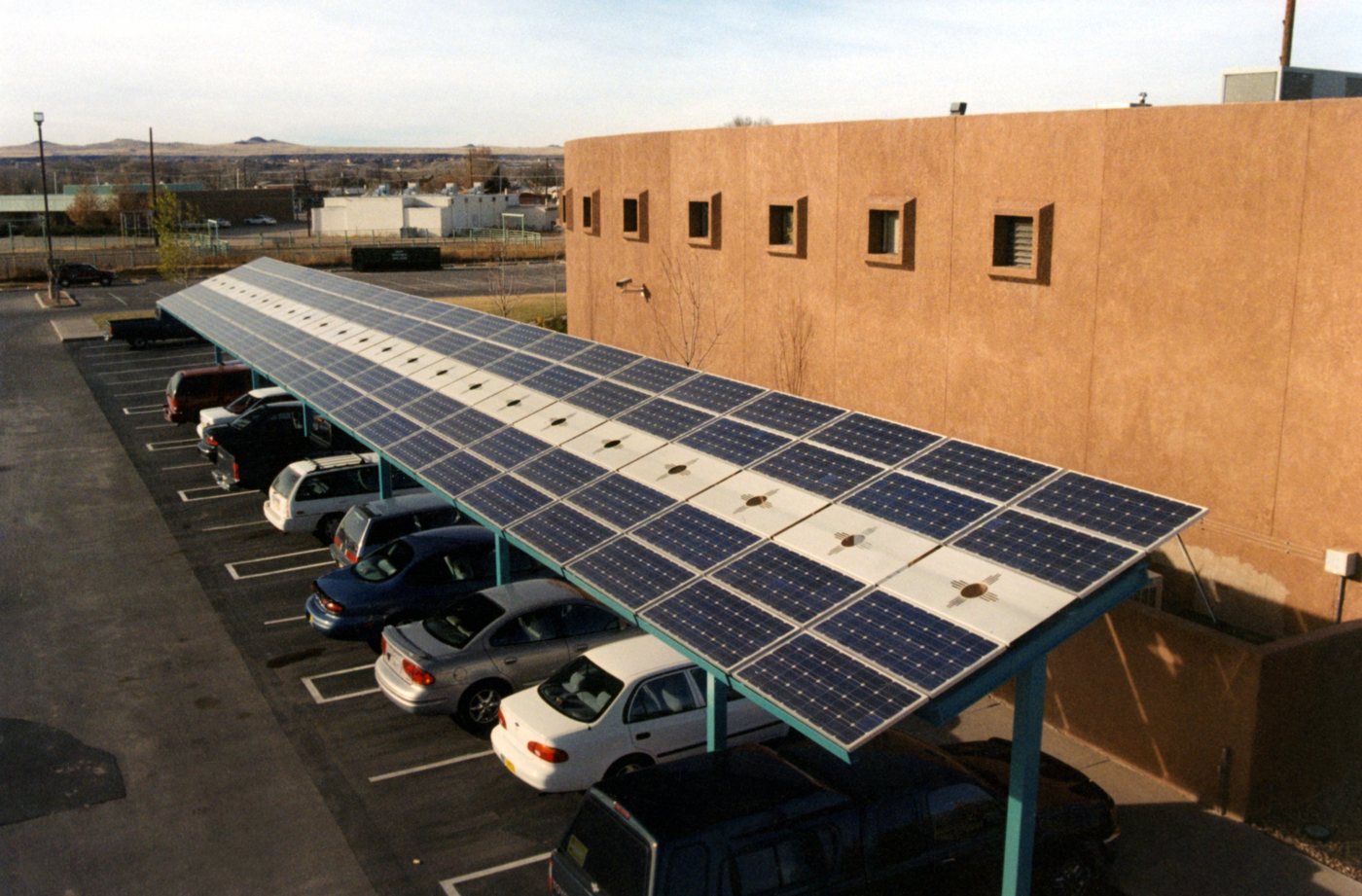 FIG. 21
Three days for a rooftop, twenty for a canopy in Riverside: the solar carport permits as a building
California streamlined solar permitting and then wrote the streamlining to stop at 10 kilowatts on a duplex. A commercial carport gets none of it, because what you're actually permitting is a steel structure with cars parked underneath.
Open note →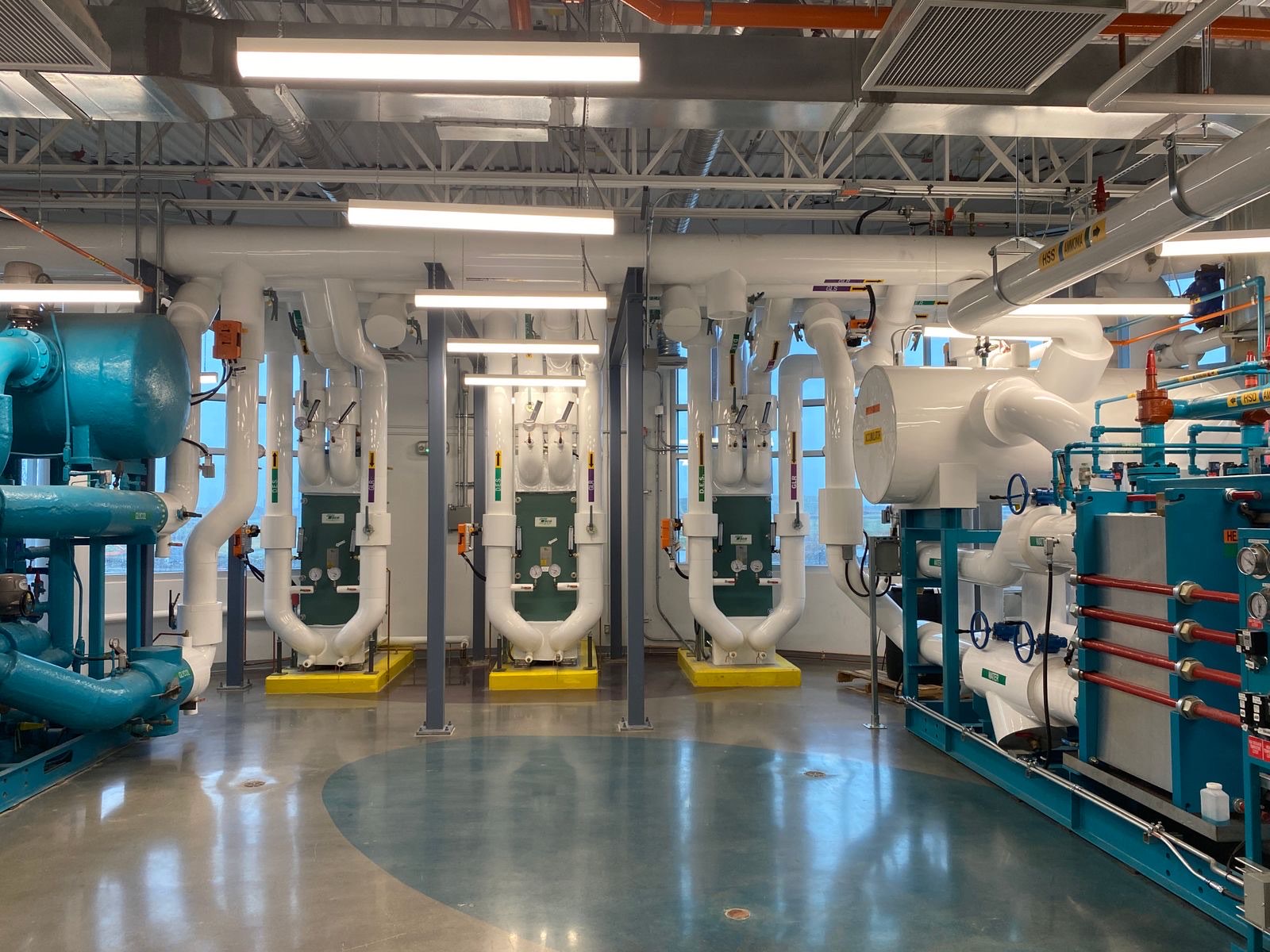 FIG. 22
The facility water gets colder: W45 today, W27 eventually
ASHRAE TC 9.9 expects facility water to get colder: W45 today, W32 next, W27 eventually. That runs backwards against the free cooling case for liquid cooling.
Open note → FIG. 23
Nailed in courses, wired in series: which license and which permit reach a solar shingle
A nailable photovoltaic shingle less than 0.6 centimeters deep goes down off a nail gun and produces 57 watts. The decision that governs it is made earlier, in the meeting where somebody writes the product into a scope of work and thereby chooses which license classification and which permits the job will draw.
Open note →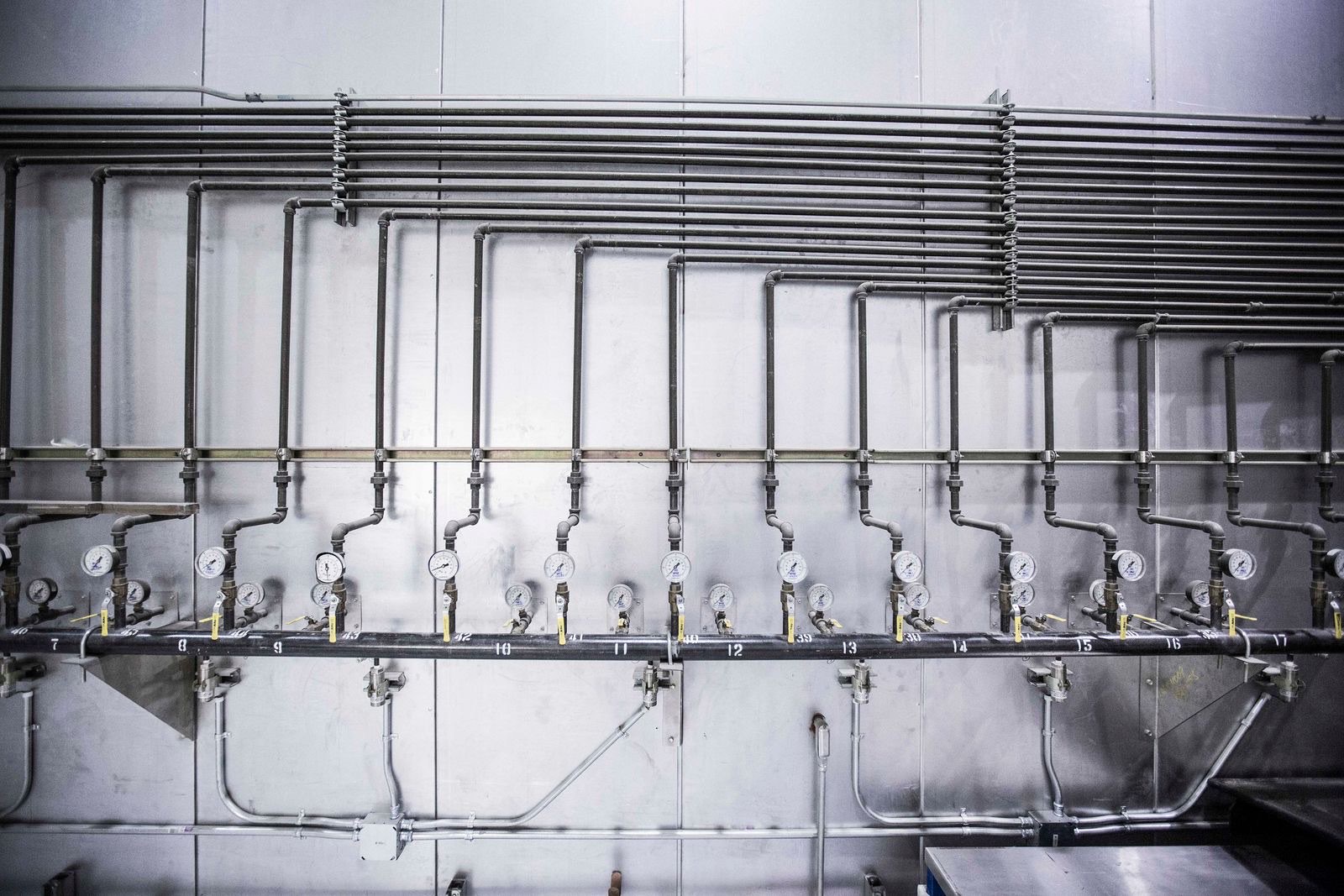 FIG. 24
16 logs against 12: what California's DPR rule actually counts
California's potable reuse rule makes a train hold 16-log virus reduction at all times, against 12 for groundwater, and counts the pipe as part of the barrier.
Open note →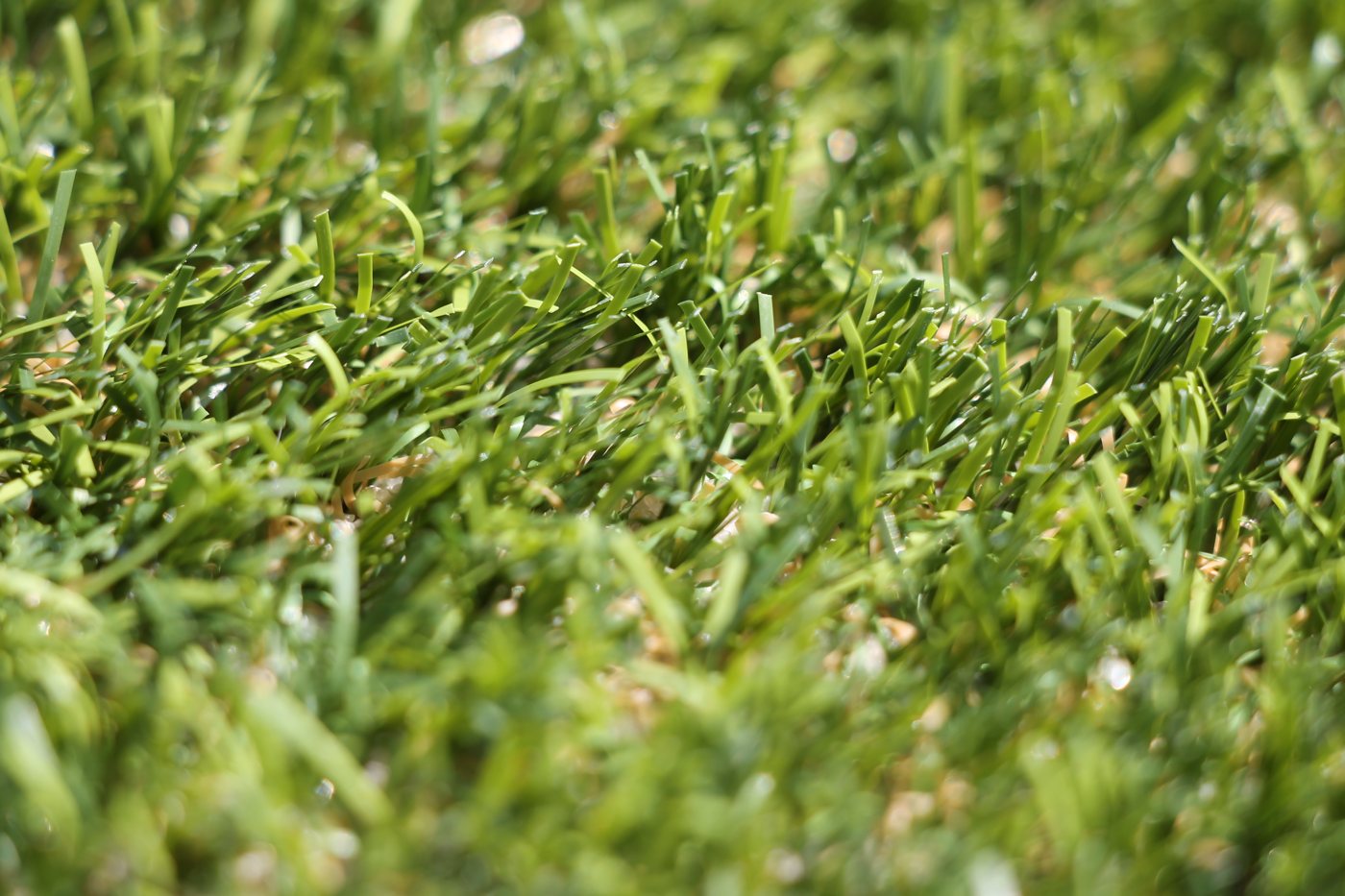 FIG. 25
Eight years protected, six years to remove: the plastic lawn and the clocks running under it
California spent eight years forbidding cities to ban artificial turf, then handed that power back on October 8, 2023, and vetoed the chemistry bill the same day. San Marino picked the power up a year later and gave the carpet already down until October 31, 2030 to come out, so a lawn bought under state protection presents its bill in somebody's 2030 spring.
Open note → FIG. 26
Five-year tint, ten-year seal: what the electrochromic record shows
SAGE Electrochromics warrants the coating that does the tinting for five years, the hermetic seal around it for ten, and the control software for nothing at all. California's 2025 Energy Code rates that glass new and never rates it again, which leaves the durability question to the warranty schedule, and View, Inc.'s own SEC filings are the only place it was ever priced.
Open note →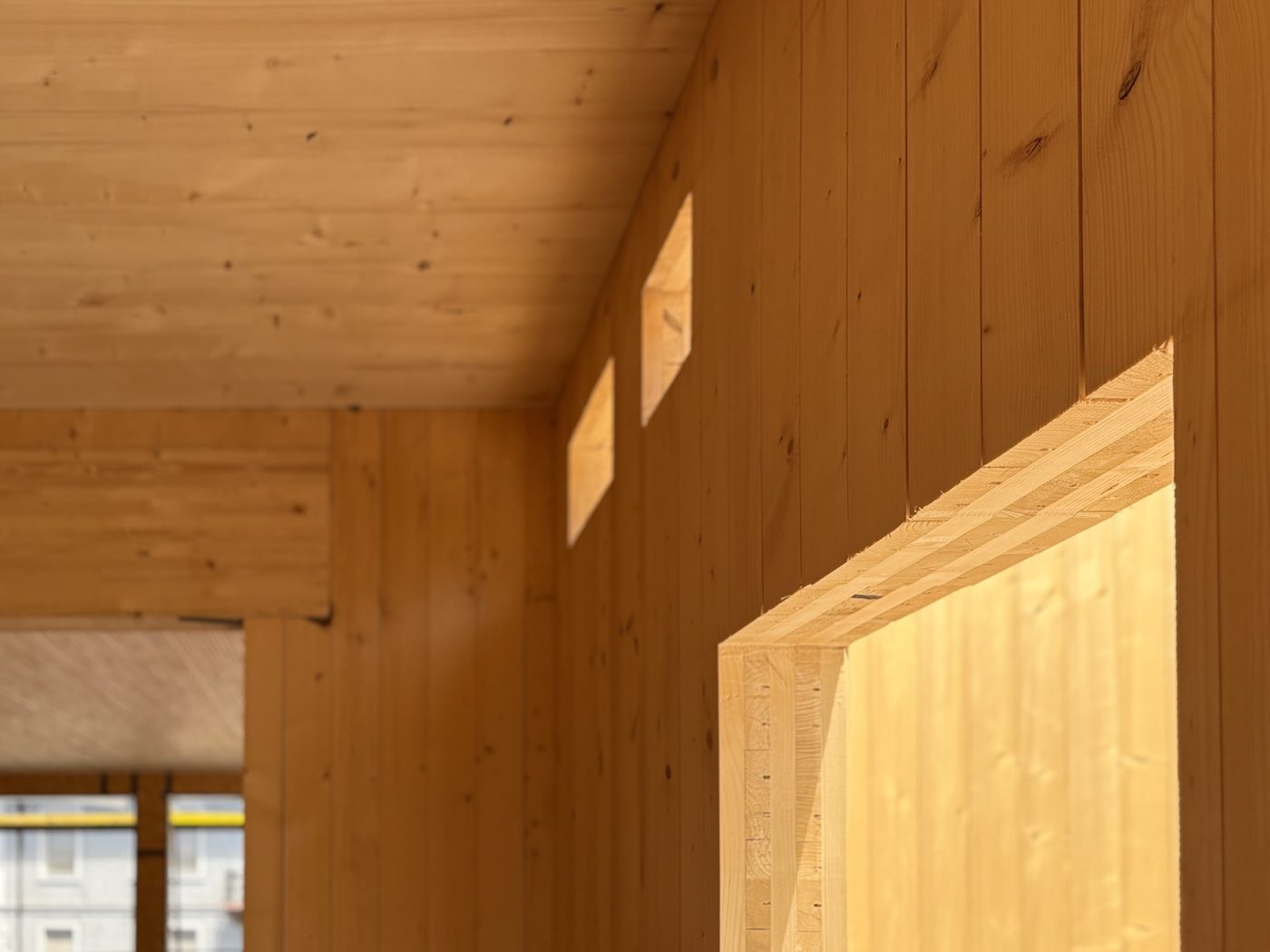 FIG. 27
270 Feet, With Conditions: The Mass Timber Height Ladder in California's 2025 Code
The tall timber types have been legal in California since July 1, 2021, and the building its erector calls the state's tallest topped out in 2023. What governs now is the 2025 code and two tables in Chapter 5. Every rung on the ladder carries a sprinkler condition the headlines leave off.
Open note → FIG. 28
Just a screen: what an LED video wall hangs on
Eighty cabinets of fine pitch LED weigh 464 kilograms, draw 16 kilowatts and need 4.6 tons of cooling. The AV package prices the panels. Everything holding it up, feeding it and carrying its heat back out is somebody else's scope, on somebody else's permit.
Open note → FIG. 29
Thirty business days, or a hundred and twenty-five: the service upgrade you quoted by reflex
The 2023 NEC added a way to size a service against the setpoint of a controlled load, and California got it on January 1, 2026. The older method, 220.83, was already clearing existing services for EV chargers, and the arithmetic was rarely the obstacle.
Open note → FIG. 30
It passed on commissioning day: Los Angeles's methane detectors and the one night they have to work
Every methane detection system in the city's High Potential Methane Zone gets witnessed once, when it goes in. Whether it still fires depends on a night nobody scheduled.
Open note → FIG. 31
Sixty-one years to the third zone: what the April 2026 Zone 0 draft permits in the first five feet
The Legislature created the ember-resistant zone in September 2020, and the rule text describing what may grow inside it was still out for public comment in April 2026. That draft permits the maintained trees and the low ground cover that the removal reading says are coming out.
Open note → FIG. 32
The sidewalk makes the root: Los Angeles and a thirty-year repair obligation
A concrete slab blocks evaporation and blocks rainfall, then condenses water on its own underside, which puts the wettest soil on the parcel directly beneath the pavement and sends the root there.
Open note →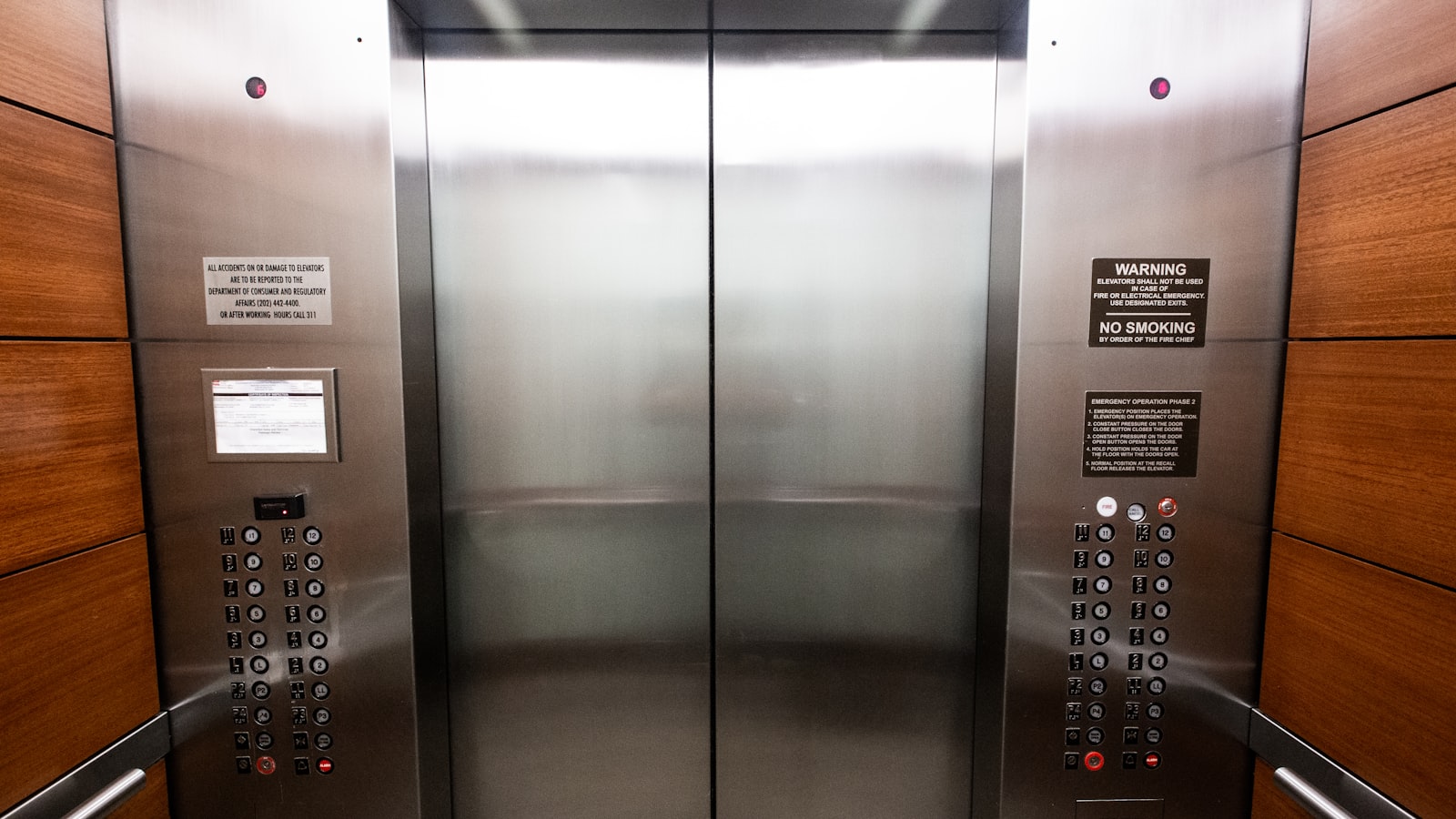 FIG. 33
Not longer than one year: the elevator permit the state can't keep current
California requires an inspection before it will renew any elevator's permit, and the permit is good for one year, no longer. The agency that has to do the inspecting has been years behind for years, so the expired certificate in the frame has quietly become the most reliable list there is of owners short a maintenance partner.
Open note → FIG. 34
Unrated single pane: the U-factor Title 24 enters when no label arrives
An unrated metal-frame single-pane window enters the Title 24 calculation at U-1.28 operable and 1.19 fixed, straight out of Table 110.6-A. The 2025 Energy Code left the prescriptive window numbers exactly where they were and put a mandatory floor underneath them, effective January 1, 2026.
Open note → FIG. 35
Frit at two-inch spacing: the glazing band California wrote for birds
Berkeley's prescriptive path takes ceramic frit or acid etch at a quarter-inch dot no more than two inches apart in any direction, or a line an eighth of an inch wide at the same spacing, permanently incorporated on surface 1 or 2 with every low-e coating behind the pattern. A product rated Threat Factor 30 or less complies without any of it, and so does an exterior screen with no gap over nine inches. California wrote its own version of the geometry into Title 24 as CALGreen Section A5.107 and then filed it in the voluntary appendix, which leaves the decision to an owner, an architect, or a city council that has not made it.
Open note →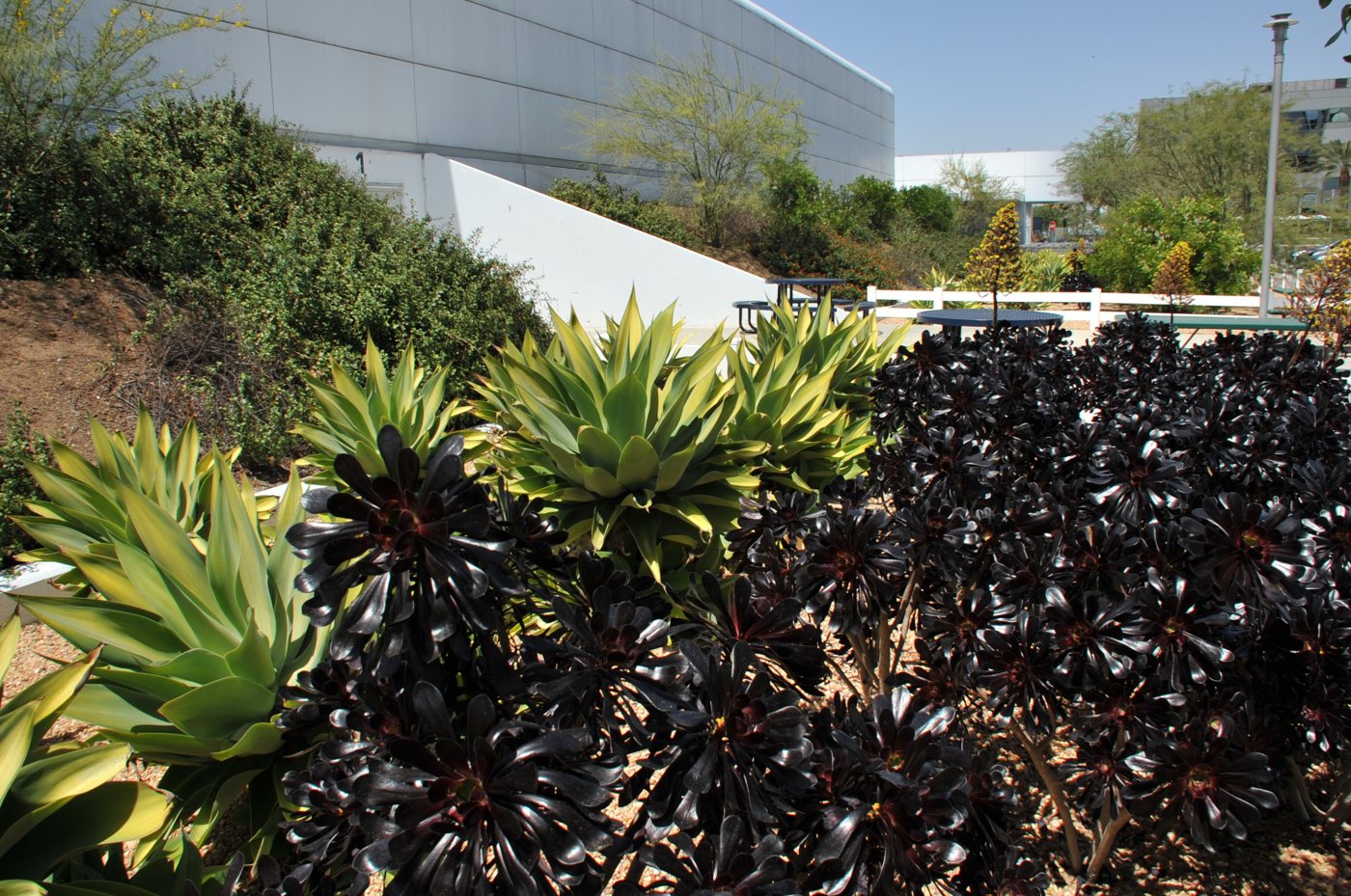 FIG. 36
The file closes in the first summer: the turf rebate and the three years nobody watches
Metropolitan pays the turf rebate on a completion inspection due within 180 days of reservation, and the natives that replaced the lawn cannot hold without supplemental water until roughly year three. The check clears about two and a half years before the question it paid to answer can be answered.
Open note → FIG. 37
Class A on a bare lot: a roofing market measured in years
A Class A roof assembly cannot go on until something is standing under it, and seventeen months after the Palisades and Eaton fires Los Angeles County counted 26.7 percent of destroyed structures permitted and 0.47 percent approved for occupancy. The gap between those two figures was set off the roof, in a claim file, a plan check queue, and a code cycle that changed citation on January 1, 2026.
Open note → FIG. 38
Three or four inches of polyiso: the reroof requirement that moved
On the prescriptive path, a low-sloped commercial membrane has to hold an aged solar reflectance of 0.63, and Title 24 has asked for that number since January 1, 2020. What moved the bid was the cycle before this one, which raised the insulation under the membrane to R-17 or R-23 and deleted the exemption that let an existing roof skip the table.
Open note → FIG. 39
Nine years, not twenty: the export tariff that made the battery the product
CPUC Decision 22-12-056 moved export credit off the retail rate and onto an hourly Avoided Cost Calculator value, and it shortened the legacy clock from twenty years to nine. On the house that turned the battery into the sale. On the warehouse roof it did the opposite, and the reasons are worth knowing before you bid one.
Open note →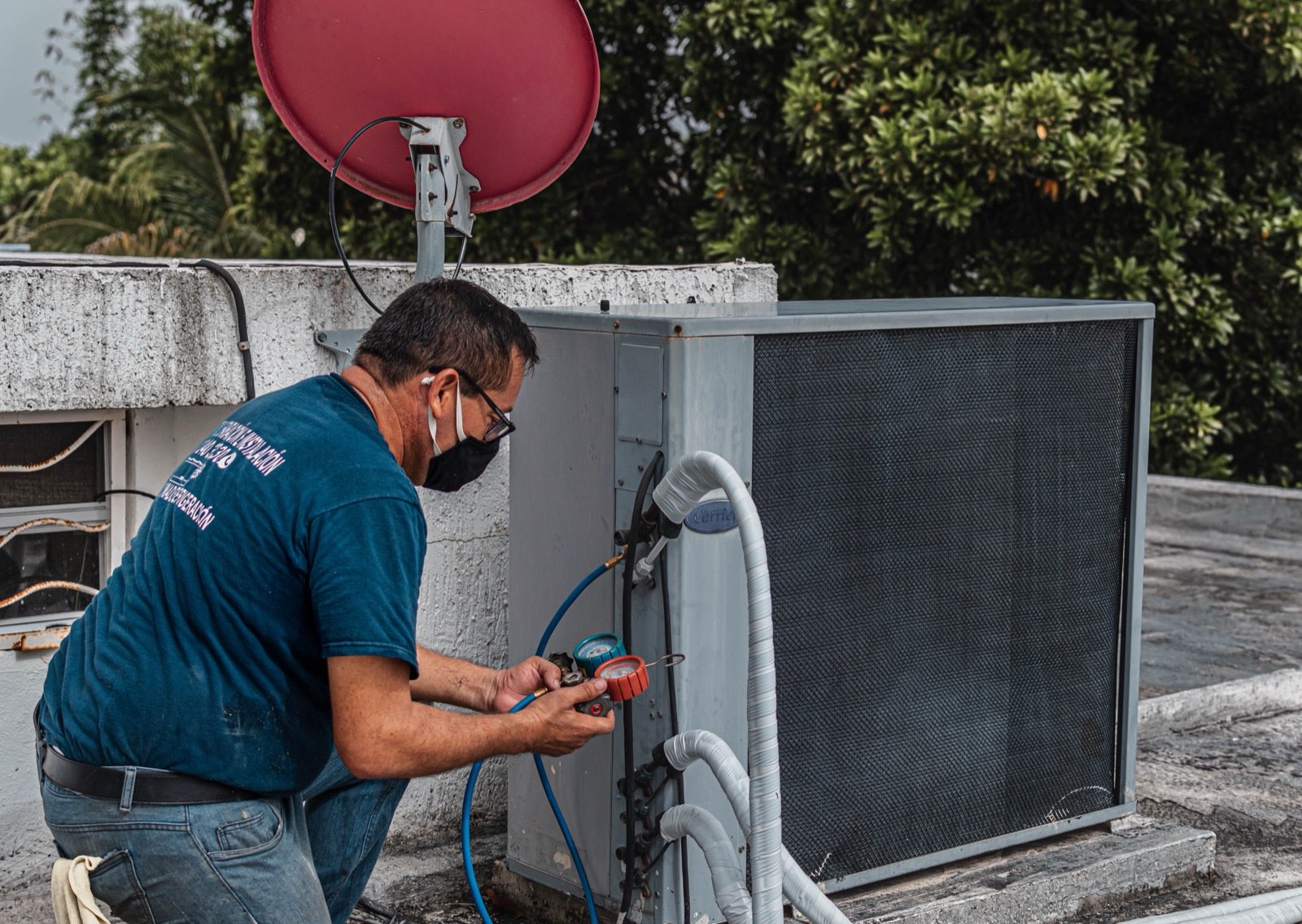 FIG. 40
The R-410A install deadline is still live until July 27
EPA has removed the January 1, 2026 R-410A installation deadline, but the removal takes effect July 27, 2026. Until that date the deadline is still law.
Open note →